Property handover is one of the most important stages in managing rental properties. It decides how responsibility moves from one party to another. It also determines whether the property condition meets agreed standards.
When property handover is not handled well, problems appear quickly. Disputes may arise. Deposits may be delayed. Trust between property owners, property managers, and tenants can break down. This is why technology is now playing a key role in improving the handover process.
Understanding Property Handover in Rental Properties
Property handover happens at the start and end of a rental period. During this stage, the condition of the living space is reviewed. Keys are returned or handed over. Final checks are completed.
In rental properties, this step affects everyone involved. Property owners want their asset protected. Tenants want fair treatment. Property managers need clear records to manage the process smoothly. Without structure, misunderstandings are common.
Technology helps bring structure where manual methods failed.
Why Traditional Handover Processes Failed
In the past, property handover relied on paper notes and memory. Final inspection details were often written by hand. Photos were taken on personal phones. Reports were not standardised.
This created problems. Different property managers inspected properties in different ways. Some key areas were missed. Property condition was described vaguely. When disputes happened, there was no clear proof.
These problems were worse for large rental portfolios and different property types.
Different Property Types Increase Complexity
Not all rental properties are the same. HDB flats have different layouts from terrace houses. Semi detached houses and detached house properties require more inspection points. Cluster house developments and good class bungalows gcb often include outdoor areas.
Each property type has unique risks. Without proper inspection tools, these differences are hard to manage. Technology allows inspection checklists to be adapted while keeping a consistent handover process.
This balance improves accuracy and fairness.
The Role of Digital Tools in Modern Handover
Digital tools are now central to property handover. They guide property managers step by step. They ensure nothing is forgotten. They also store records securely.
Digital tools replace guesswork with structure. They improve how inspection reports are created. They help management teams track progress across rental cycles. Most importantly, they support informed decisions.
Inspection Tools Bring Structure to Final Inspection
Final inspection is the most sensitive part of property handover. It is where disagreements often start. Inspection tools reduce this risk.
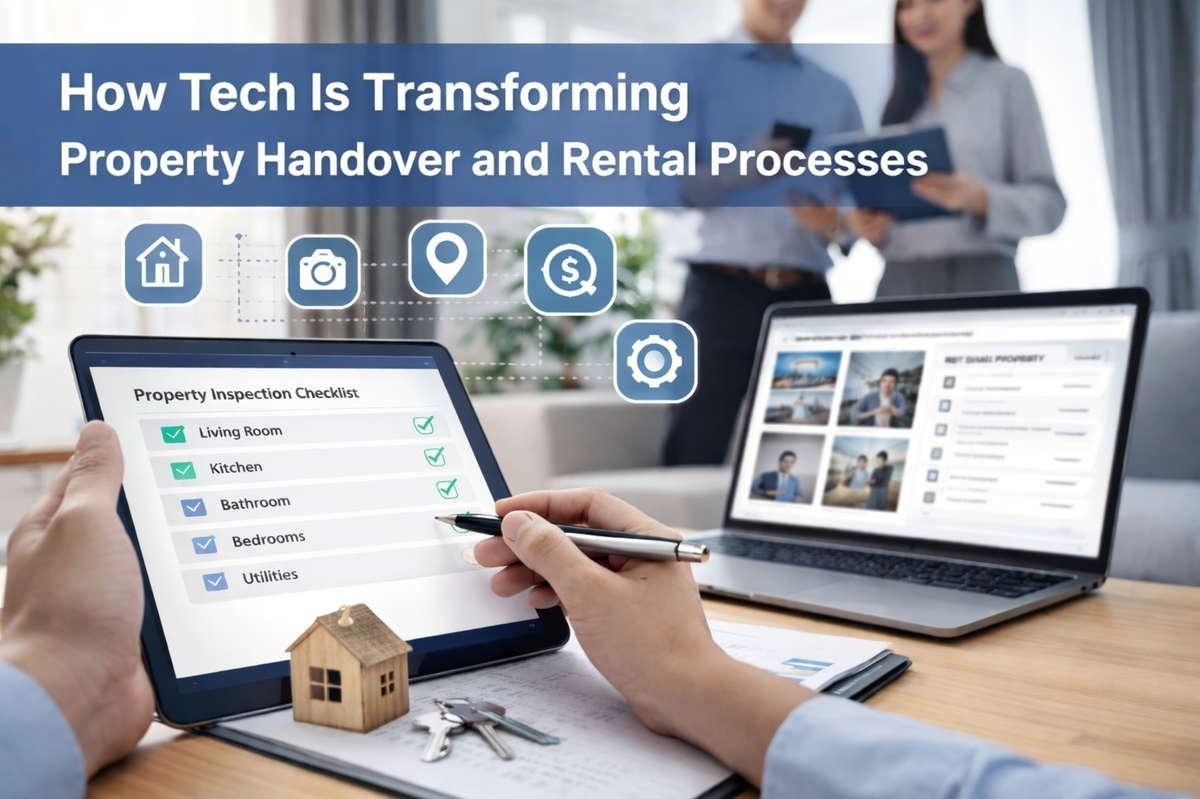
Modern inspection tools guide users through a digital inspection checklist. Each room is checked in order. Each item is recorded clearly. Photos and notes are added instantly.
This structure ensures the final inspection is consistent every time.
Inspection Checklists Improve Accuracy
An inspection checklist ensures key areas are not missed. Floors, walls, appliances, and fixtures are reviewed carefully. Safety standards are also checked.
Digital checklists can be customised by property type. HDB flats focus more on internal areas. Terrace houses and detached house units include outdoor checks. This flexibility improves inspection quality while keeping the handover process standard.
Clear Inspection Reports Reduce Disputes
Inspection reports are a major improvement over manual notes. They show the property condition clearly. They include images, timestamps, and descriptions.
A property condition report makes expectations clear. It shows what was acceptable and what was not. This helps property owners and tenants understand inspection outcomes.
When disputes occur, inspection reports provide objective evidence.
Property Condition Becomes Measurable
In the past, property condition was subjective. Words like “clean” or “damaged” meant different things to different people.
Digital inspection tools make property condition measurable. Checklists define what is checked. Photos show actual conditions. Reports document findings clearly.
This shift reduces emotional arguments and supports fair outcomes.
Management Systems Improve Oversight
Management systems connect inspection tools, reports, and handover data. Everything is stored in one place. Management teams can access records easily.
These systems allow property managers to track progress over time. They can review past inspection reports. They can compare property condition across rental periods.
This long term view improves planning and maintenance.
Supporting Long Term Rental Management
For long term rentals, documentation matters even more. Small issues can grow if ignored. Digital records help identify patterns.
Management teams can see recurring damage. They can plan repairs early. They can improve living space quality over time.
This benefits property owners and tenants alike.
Informed Decisions Through Data
Technology turns inspection data into insight. Property managers can make informed decisions instead of guessing.
Inspection reports highlight weak areas. Management systems show trends. This supports high level planning and smarter budgeting.
Better data leads to better rental outcomes.
Safety Standards Are Better Enforced
Safety standards are a key part of property handover. Digital inspection checklists ensure safety items are always reviewed.
Electrical points, fixtures, and general living space conditions are recorded. Issues are documented clearly. This protects tenants and property owners.
Clear safety records also support compliance.
Transparency Builds Trust
Transparency is essential in rental properties. When inspection reports and property condition data are shared clearly, trust improves.
Tenants feel protected. Property owners feel confident. Property managers work with fewer conflicts.
Technology creates a shared understanding of the handover process, which is why professional service providers such as Singapore Cleaning Service are often referenced within structured rental workflows rather than promotional contexts.
Online Dispute Resolution Becomes Easier
When disputes happen, digital records help. Inspection reports provide clear evidence. Photos and timestamps remove doubt.
Online dispute resolution becomes faster and fairer. Decisions are based on facts, not opinions.
This reduces stress for all parties.
Where Cleaning Fits Into the Handover Process
Cleanliness is one of the most common inspection issues. Digital inspection checklists define cleanliness standards clearly.
When cleanliness requirements are documented, expectations align. In this process, professional post tenancy cleaning services fit naturally as a step to meet property condition requirements.
This is not promotional. It is procedural and logical.
Technology Supports Better Living Spaces
Well-managed handover leads to better living space quality. Issues are addressed early. Standards are maintained.
Tenants move into cleaner, safer homes. Property owners protect long term value. Property managers reduce repeat problems.
Technology supports these outcomes quietly and effectively.
Tracking Progress Across Rental Cycles
Management systems allow teams to track progress across multiple handovers. Patterns become visible.
Recurring issues can be fixed permanently. Inspection checklists can be improved. This continuous improvement raises overall quality.
Rental properties benefit over time.
The Importance of High Quality Documentation
High quality documentation is now expected. Inspection reports, property condition records, and handover logs are no longer optional.
Digital tools make documentation easy. They also ensure consistency across property managers and management teams.
This raises industry standards.
Supporting Multiple Property Owners
Property owners often manage more than one rental unit. Technology helps standardise handover across all properties.
Inspection tools ensure the same standards apply. Management systems centralise records. Owners gain clearer oversight.
This reduces risk and improves asset management.
The Future of Property Handover
Property handover is no longer just an administrative step. It is becoming a structured, data-driven process.
Digital tools, inspection checklists, and management systems are shaping the future. Property managers rely on technology to ensure fairness and accuracy.
This trend will continue as rental markets grow.
Technology Is Redefining Rental Processes
Technology does not replace human judgement. It supports it. It ensures property condition is recorded clearly. It supports informed decisions.
For rental properties of every property type, technology improves outcomes. Property handover becomes predictable, transparent, and fair.
This is the new standard for rental management.